Bed Bug Exterminator for Mattresses with Discreet Service
All About Bed Bugs: Understanding Heat Treatment for Effective Elimination
Bed bugs are infamous for their tendency to invade households and cause significant disruption. Recognizing their habits and the indicators of an infestation is essential for homeowners. Within the range of extermination approaches, heat treatment distinguishes itself as a potent, chemical-free remedy. It successfully addresses every life stage of these insects. Proper preparation is crucial to its effectiveness, yet many homeowners neglect important steps prior to treatment. Investigating these elements can provide greater insight into how to tackle this stubborn concern.
What Are Bed Bugs and How Do They Infest Your Home?
Bed bug infestations, tiny night-dwelling insects belonging to the Cimex family, are well known for their ability to invade homes and disrupt lives. These creatures are skilled at hitching rides on clothing, luggage, and furniture, rendering them widespread nuisances throughout urban environments. Once inside, these pests commonly seek shelter in narrow openings and hidden spaces, most commonly around mattresses and fabric-covered furniture, where they can remain hidden during the day.
Their ability to reproduce rapidly increases their infestation risk; females have the ability to deposit hundreds of eggs over their lifetime, causing accelerated population increases. Bed bugs prosper in heated, shadowy surroundings, enabling them to remain near their main food source—human blood. Their elusive conduct and hardiness make prompt detection problematic, often resulting in widespread infestations before homeowners realize the problem. Understanding their habits is essential for effective prevention and treatment strategies.
How to Identify a Bed Bug Infestation: Key Signs to Notice
Detecting a bed bug infestation in its early stages is essential for successful management. Occupants should remain alert to certain signs that point to their existence. Common indicators include dark, rusty stains on bedding or furniture, which are fecal matter left by the bugs. Additionally, shed exoskeletons, often found near hiding spots, signify that bed bugs are maturing.
Skin bites, typically in clusters or lines, are likely to develop as bed bugs are active during nighttime hours. These bites can cause itching or irritation, encouraging a discover here more thorough copyrightination. A musty odor may also arise from areas with infestations, caused by the secretions of bed bugs.
Inspecting the seams of mattresses, behind headboards, and in cracks of furniture is essential, as these are favored hiding spots. Prompt identification allows for timely intervention, avoiding a widespread infestation that might cause extensive treatment efforts.
Exploring How Heat Treatment Gets Rid of Bed Bugs
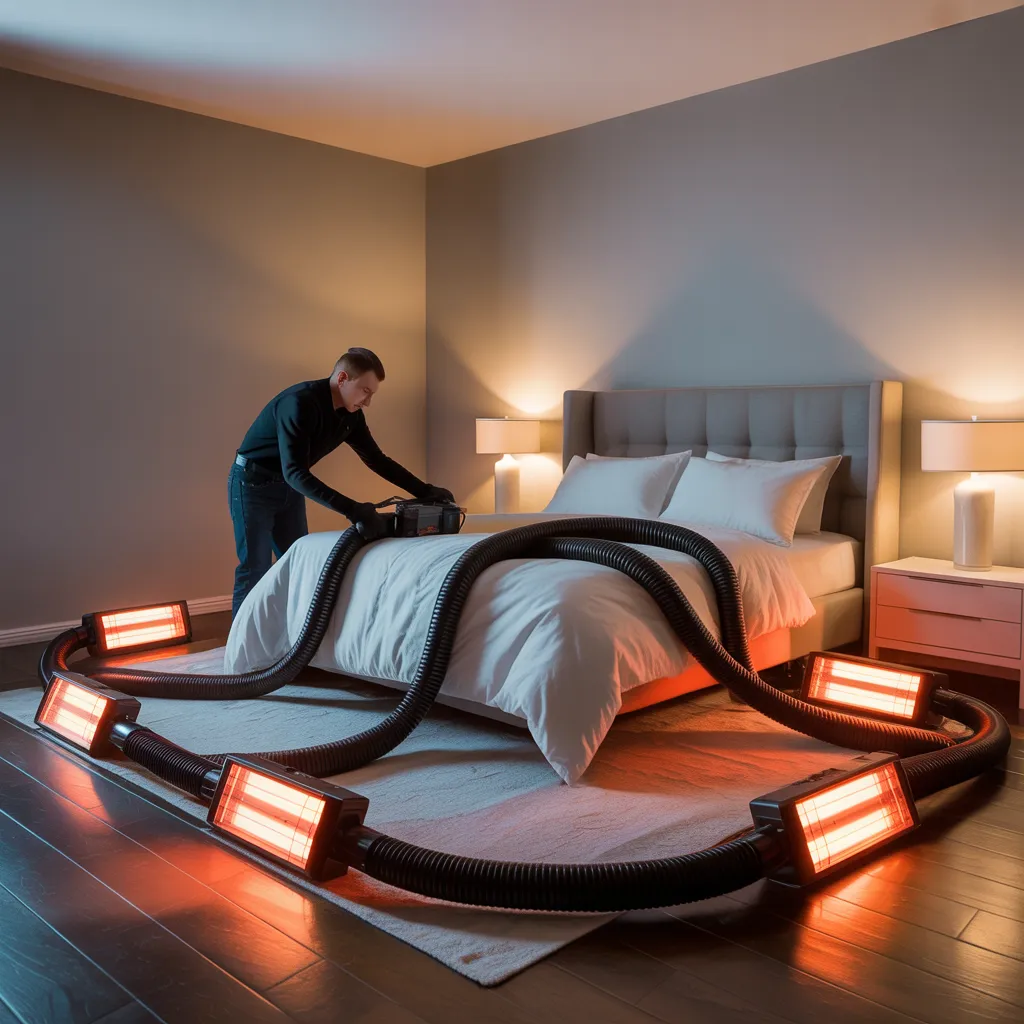
Effective management of a bed bug infestation requires understanding the methods available for elimination. Heat treatment is a widely recognized approach, utilizing high temperatures to eradicate these pests. The treatment involves increasing the temperature of affected spaces to between 120°F and 140°F, thoroughly reaching walls, furniture, and other hiding spots where bed bugs dwell.
Bed bugs have a significant weakness to heat; subjecting them to temperatures over 113°F for as little as 90 minutes eliminates them at all stages of development. This approach is also effective against eggs, which are known for their remarkable resilience. During heat treatment, specialized equipment is used to guarantee even heat distribution, preventing cold spots where bed bugs might survive.
Moreover, heat treatment is free of chemicals, making it a green solution for pest control. By disrupting the bed bugs' natural biological functions, heat treatment not only removes current infestations but also helps in preventing future infestations.
Why Heat Treatment Is the Most Effective Bed Bug Solution
Heat treatment is recognized as the premier solution for bed bug eradication due to its ability to reach and eliminate pests in all life stages, including eggs. In contrast to chemical treatments, which can fail to eliminate all bugs, heat permeates furniture, cracks, and crevices, guaranteeing thorough coverage. The process involves raising the temperature of the infested area to a lethal level, typically between 120°F and 140°F, successfully destroying bed bugs on contact. This approach removes the necessity for multiple treatments, reducing the chances of resistance development. Furthermore, heat treatment is an eco-conscious option, because it limits exposure to harmful chemicals. Its efficiency is yet another benefit; nearly all treatments wrap up in just one day, permitting a speedy restoration of routine. In summary, heat treatment's comprehensiveness, effectiveness, and safety position it as a top choice for property owners looking for dependable bed bug control.
What to Do Before Bed Bug Heat Treatment
Planning for bed bug heat treatment necessitates thorough preparation to ensure the process is successful. Property owners should start by clearing out the impacted spaces, removing items that may obstruct heat penetration. All clothing, bedding, and personal belongings should be washed in hot water and dried on high heat to remove any remaining bed bugs. It is essential to vacuum the entire area carefully, focusing carefully on cracks and crevices where bed bugs tend to shelter themselves.
In addition, pets should be removed during treatment, and plants need to be taken outside to protect them from the increased heat levels. Electronic equipment, including TVs and computers, should be relocated or shielded to shield them from the effects of heat. Finally, residents should confirm that the area designated for treatment is available, allowing technicians to work efficiently. Thorough preparation not only improves the efficiency of the heat treatment but also lowers the chances of re-infestation.
Popular Questions and Answers
Are Bed Bugs Able to Withstand Extreme Cold Temperatures?
Bed bugs cannot survive extreme cold temperatures. When subjected to temperatures below 0°F (-18°C) for several days, all life stages are effectively eliminated, including eggs, which ensures the total removal of these pests from infested locations.
What Is the Typical Duration of Heat Treatment?
Heat treatment typically takes approximately six to eight hours to successfully eradicate bed bugs. The time frame may differ depending on how severe the infestation is and the specialized approaches applied by experts during the procedure.
Are There Any Health Risks Associated With Heat Treatment?
There are very few health concerns related to heat treatment for bed bugs. Properly conducted procedures guarantee safety, but those with breathing problems or sensitivities might encounter brief discomfort. Speaking with experts can help address any potential concerns.
Will Heat Treatment Damage My Furniture or Belongings?
Heat treatment has the potential to damage certain furniture and belongings, especially items that are sensitive to elevated temperatures. It is advisable to remove or protect vulnerable items prior to treatment to minimize any risk of heat-related damage.
How Often Should I Inspect for Bed Bugs After Treatment?
After treatment, bed bug inspections should occur monthly for a minimum of six months. Consistent monitoring assist in identifying any signs of resurgence at an early stage, guaranteeing effective control and sustaining a pest-free environment for residents.